Written by
Abbie Mason
Nostalgia Content Is Defining Social Media in 2026
This is not nostalgia as a trend. It is nostalgia as a response.
Introduction
Social media is looking backwards.
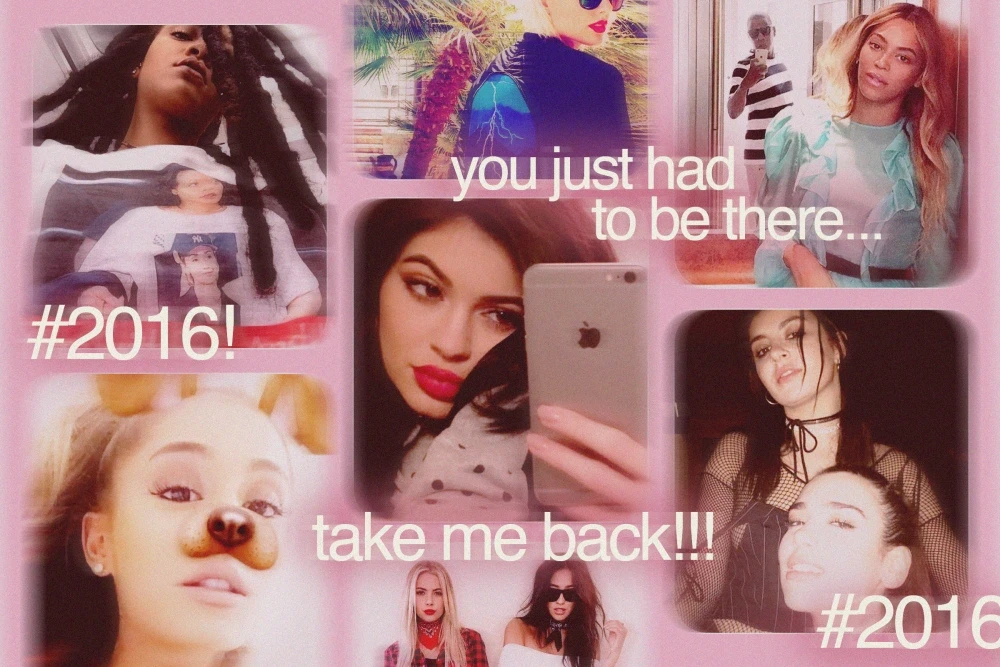
Across TikTok, Instagram and Spotify, a clear shift has taken hold. Users are recreating the aesthetics, references and behaviours of 2016. Grainy photo dumps, Snapchat-era filters, early meme formats and mid-2010s pop culture are reappearing with intent.
What began as a niche format has moved into the mainstream. Platforms are now saturated with it.
A compressed cultural cycle
Nostalgia has traditionally moved in decades. That pattern has shortened.
A ten-year gap is now enough to trigger revival.
The reason is structural. The internet has removed the distance nostalgia once relied on. Content from 2016 is not buried. It is searchable, resurfaced and continuously recontextualised through algorithms.
Key signals of this shift include a sustained rise in 2016-tagged content across TikTok, alongside a noticeable increase in mid-2010s playlist creation on Spotify (Vogue Business).
Nostalgia is no longer passive. It is being actively produced and distributed.
Why 2016 resonates now
The focus on 2016 is specific.
It sits just before a series of structural changes in how people experience the internet. Before the pandemic reshaped behaviour. Before AI-generated content became visible at scale. Before feeds became fully optimised and commercially driven.
There is a perception that content felt more personal and less controlled. Whether that perception is accurate is secondary to how strongly it is felt (The Guardian).
For Gen Z, the connection is also personal. 2016 aligns with early teenage years, closely tied to identity, music and early online behaviour.
Layer in current context and the appeal becomes clearer
Economic pressure
Digital fatigue
Constant exposure to high-performing content
Familiarity offers stability and a sense of control (GWI).
A shift in visual language
The most immediate change is visual.
Content is moving away from clean, high-production output. In its place is a deliberate return to imperfection. Film grain, overexposed imagery, timestamped photos and disposable camera formats are becoming standard.
This aligns with a wider behavioural shift. Audiences are increasingly drawn to content that feels less processed and more immediate (Dazed).
Alongside this, there is a quieter move away from overly refined, AI-assisted content. Highly edited feeds and synthetic visuals are beginning to feel distant and commercial.
Instead, users are favouring
Photo dumps over curated grids
Minimal editing over heavy post-production
Casual video over scripted formats
Nearly half of Gen Z now use social media primarily to stay connected with friends and family, rather than consume polished content (GWI).
The emphasis is shifting from performance to presence.
Nostalgia as shared culture
Nostalgia is not limited to visuals. It is embedded in content itself.
References to Hannah Montana and other Disney-era programming are reappearing through clips, audio and meme formats. These moments require no explanation. They are instantly understood and widely shared.
At the same time, users are revisiting early platform behaviours. The Mannequin Challenge, Snapchat filters and high-contrast edits are being reinterpreted for current formats. Music from the period continues to cycle back through trending audio, reinforcing the aesthetic.
This is not replication. It is selective reuse. Familiar elements are being adapted to fit how platforms operate today.
From content to behaviour
This shift extends beyond content into how people spend and engage.
There is a growing demand for analogue experiences. Film cameras, printed photography and retro-inspired products are all seeing renewed relevance. The appeal is not just aesthetic. It is tactile.
Brands are responding by simplifying creative, reducing overproduction and leaning into culturally familiar references. Nostalgia is beginning to shape how brands build, not just how they communicate (McKinsey & Company).
What is being recreated, however, is not an exact version of 2016.
It is a curated one.
The aesthetics remain. The complexity does not. Users are shaping a version of the past that aligns with how they want to feel now. Nostalgia becomes less about accuracy and more about control.
What this signals
The return to 2016 reflects a broader recalibration in digital behaviour.
Authenticity is now communicated through imperfection
Cultural familiarity is driving engagement
Trend cycles are shorter and more reactive
Emotional relevance is outweighing technical execution
For brands, this changes the brief.
Content does not need to be more advanced. It needs to feel more considered.
Conclusion
Closing Perspective
The resurgence of 2016 is not accidental. It reflects a shift away from highly optimised digital environments and towards something that feels more human. Nostalgia provides that balance. Familiar, flexible and easy to engage with. In 2026, looking back is not about staying in the past. It is about redefining how the present is expressed.