Written by
Abbie Mason
ChatGPT Is Getting Ads. Here's Why That Changes Everything.
ChatGPT built its reputation on one thing above everything else.
Introduction
It felt honest.
No algorithm steering you toward a paid result. No sponsored listings buried in the answer. Just a response that seemed to exist purely to help you. That quality, the feeling of objectivity, is what turned ChatGPT from a novelty into a tool that hundreds of millions of people now rely on daily.
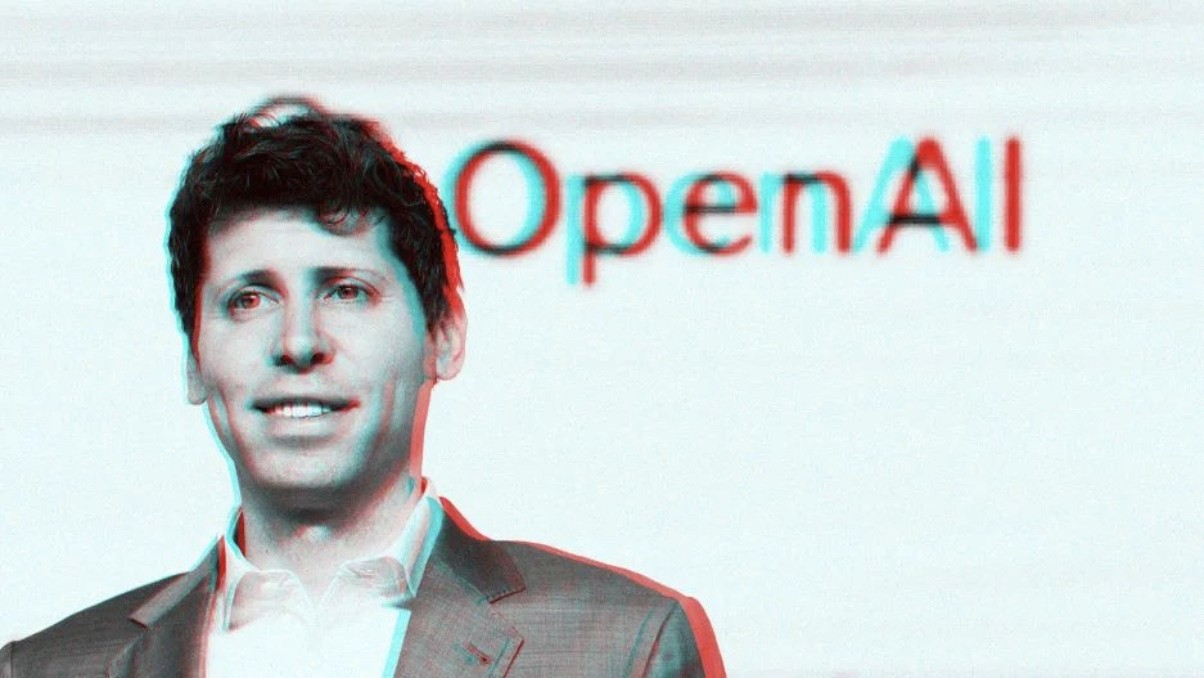
In January 2026, OpenAI announced it would begin testing ads in ChatGPT for free and low tier users in the US. Ads placed at the bottom of answers, clearly labelled, triggered when a sponsored product or service is relevant to your conversation.
It sounds measured. It sounds careful. But it changes something fundamental, and the implications go well beyond ChatGPT itself.
The Trust Gap
Here's the problem OpenAI can't quite engineer its way around.
The moment ads exist inside a ChatGPT response, users will ask a question they didn't need to ask before: is this answer shaped by what I'm being shown below it?
OpenAI has been explicit on this point. Their published ad principles state that "ads do not influence the answers ChatGPT gives you" and that conversations are never sold to advertisers. The commitments are clear. The intent appears genuine.
But trust doesn't run on intent. It runs on perception.
And here's what makes this particularly uncomfortable: Sam Altman himself called the combination of ads and AI "uniquely unsettling" as recently as 2024, describing advertising as a "last resort" for OpenAI. That quote doesn't disappear when the business model changes. It becomes the thing people point to.
History hasn't helped either. As Tuta reported, WhatsApp promised it would never carry ads, then Meta acquired it, and then came the ads, and then came an AI assistant users couldn't turn off. Google built its search engine with no ads. Now it places them in Search, YouTube, Gmail, and its own AI overviews. These aren't cautionary tales from obscure companies, they're the most used products on the internet.
Users know the pattern. And they'll apply it here.
The question isn't whether ChatGPT's answers are genuinely unbiased. The question is whether people will believe they are. That gap between what's true and what feels true is where trust erodes.
OpenAI Just Entered Google's Territory
If the trust story is the one users care about, the competitive story is the one the industry should be watching.
Google's entire business model is built on one insight: people use search when they're trying to decide something, and that's the most valuable moment to reach them. The combination of intent and scale made search advertising the most lucrative channel in the history of marketing.
ChatGPT has been quietly eating into that model for two years. People who used to Google "best running shoes for flat feet" are now asking ChatGPT instead. They get an answer rather than a results page. The behaviour has shifted.
This is the shift that sits at the heart of what marketers are beginning to call AEO (Answer Engine Optimisation). Where SEO focuses on how brands appear in traditional search results, AEO is about how brands appear within AI-powered answer engines like ChatGPT, Google AI Overviews, and Perplexity. If someone asks an AI what the best option is in your category and your brand isn't part of the answer, you don't exist at that moment. Ads are one way in, but for most brands, the bigger question is whether they're even showing up organically.
Until now, the shift away from Google search had no commercial consequence for OpenAI. They weren't monetising the intent. They were just capturing it.
Ads change that entirely.
ChatGPT now has an ad platform sitting on top of an audience that is actively asking questions and seeking recommendations, arguably a more commercially valuable moment than a passive search. Users aren't browsing. They're deciding. And now there's a sponsored product waiting at the bottom of the answer.
Google told the World Economic Forum in Davos that Gemini currently has "no plans" for ads. Given that Google's entire revenue model is built on advertising, that position will be hard to hold indefinitely. But for now, OpenAI has moved first into territory that has been Google's for two decades.
That's not a small thing.
The Opportunity for Marketers (And Why Early Movers Win)
Underneath the debate about trust and competition is something more immediately useful for marketers: a new ad surface that almost nobody has figured out yet.
As AdVenture noted in their breakdown of the ChatGPT ads launch, this isn't simply another digital channel, it's a sponsored placement inside a conversational answer to a specific question. Users aren't scrolling past it distractedly, they're reading a response they asked for, and the ad appears in that context. The intent signal is as strong as it gets.
Compare that to a social media ad reaching someone mid-scroll with no particular interest in what you're selling. Or a search ad competing with nine other results for a fraction of a second of attention. The ChatGPT format isn't perfect, the trust questions are real, but the context of placement is genuinely different from most of what exists.
And right now, almost no one is there.
Every major ad channel goes through the same pattern. Early movers operate with lower competition, lower costs, and the ability to learn the platform before the rest of the market catches up. The brands that got into Facebook advertising in 2010, or YouTube pre-roll in 2012, built significant advantages that took competitors years to close.
ChatGPT advertising is at that early stage right now. The formats are being tested. The playbook doesn't exist yet. The brands paying attention in 2026 are the ones writing it.
OpenAI has also signalled where this is going. Beyond static ads, they've described a future where users can interact directly with an ad, asking questions about a product or service before making a purchase decision. That's a fundamentally different kind of advertising from anything that currently exists at scale.
It's not without risk. The trust issues are real, and brands that appear in a way that feels intrusive or misaligned with the conversational context will feel it. But that's a creative and strategic challenge, not a reason to wait.
Conclusion
What Comes Next
The roll-out of ads in ChatGPT is a marker, not just for OpenAI, but for the industry. If it works, if revenue grows without a meaningful collapse in user trust, Gemini will follow. Perplexity is already building an AI browser specifically to collect more user data for ad targeting. The direction of travel is clear. What we're watching is the moment AI assistants make the same transition that search engines made, that social media made, that every free platform eventually makes. The product that felt neutral finds a way to monetise the audience it built. The question for users is how much that changes the product they trusted. The question for marketers is whether they're early enough to benefit from the window before everyone else arrives.