Written by
Abbie Mason
Tamagotchi is back (again). What can a tiny digital pet teach us about nostalgia marketing?
Well, it's back. Again.
Introduction
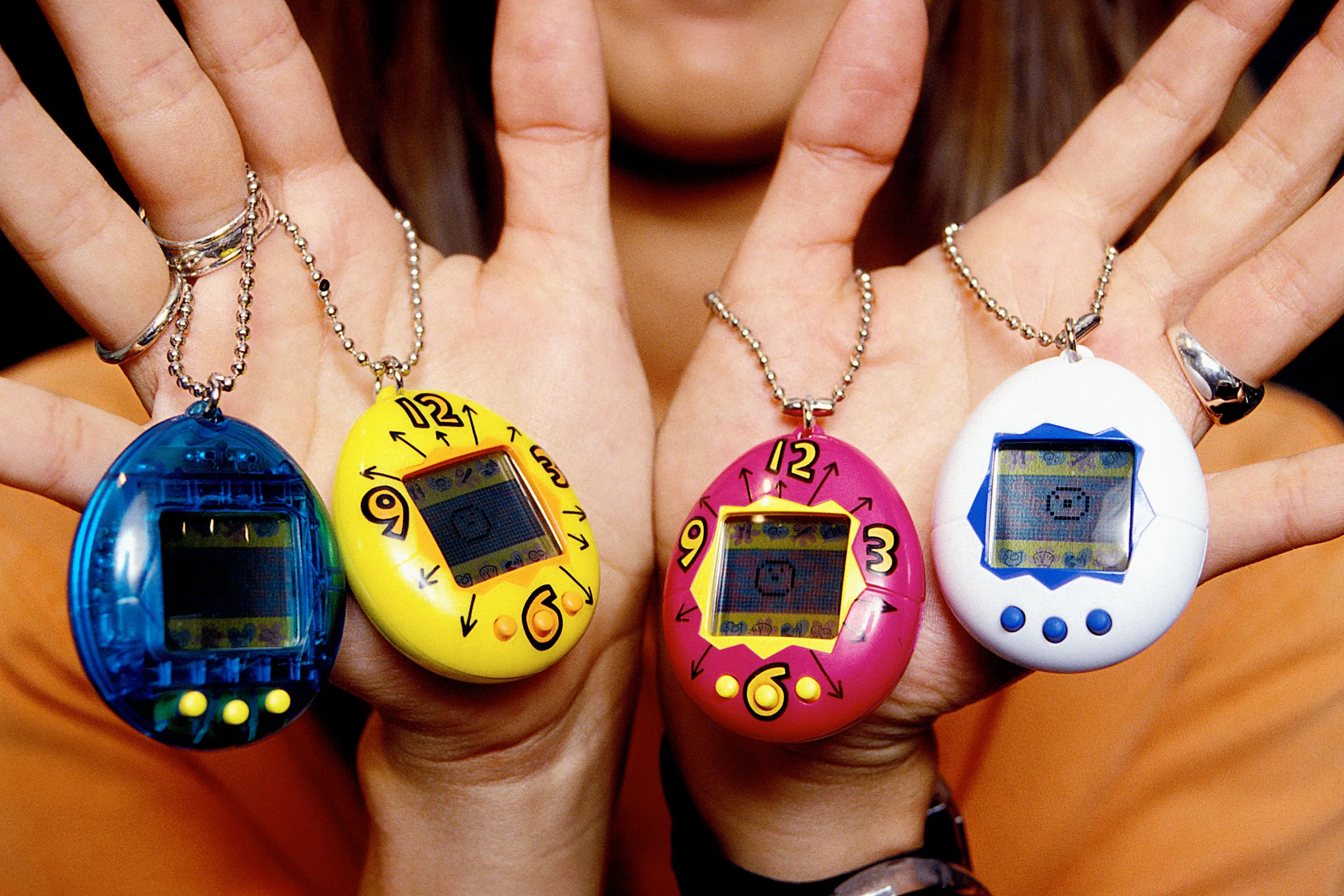
Remember Tamagotchi?
The tiny digital pet that demanded constant attention, usually died while you were at school and somehow became everyone's favourite accessory in the 90s?
Well, it's back. Again.
Thirty years after its original launch, Tamagotchi is enjoying its fourth wave of popularity. The brand has shipped more than 100 million devices worldwide and has even opened a dedicated pop-up shop in London's Soho to celebrate its anniversary.
But how does a product that became a global craze almost three decades ago keep finding its way back into the spotlight? And what can marketers learn from it?
The product life cycle isn't always predictable
If you've studied marketing, you'll probably remember the product life cycle. The classic model, explored by Theodore Levitt in his 1965 Harvard Business Review article, suggests that products move through four stages.
Introduction when a product enters the market and starts building awareness.
Growth when demand takes off and sales increase.
Maturity when growth slows and the product becomes established.
Decline when interest fades and consumers move on.
Tamagotchi appeared to follow this perfectly. Launched in Japan in 1996 and arriving here the following year, it became a playground obsession before the initial craze eventually faded.
But instead of disappearing, Bandai kept finding ways to bring it back.
From infrared connectivity in 2004 to colour screens, Wi-Fi and collectable designs, Tamagotchi has evolved without losing the original concept that made it popular.
It's an interesting example of the thinking behind Harvard Business School professor Youngme Moon's Break Free from the Product Life Cycle, which explores how brands can challenge the traditional curve through clever positioning and differentiation.
Rather than accepting decline as inevitable, Tamagotchi has repeatedly found new reasons for consumers to care.
Nostalgia gets attention, but innovation keeps it
There's no denying the power of nostalgia in marketing. Whether it's vinyl records, retro cameras or the return of childhood favourites, consumers love a throwback.
And there's research behind it. A review published in the Journal of Marketing Management explores how brands use nostalgia, heritage and retro experiences to create connections with consumers.
But nostalgia alone isn't enough to sustain a brand.
Tamagotchi has managed to combine familiarity with innovation, appealing to people who remember the original while introducing the product to an entirely new generation.
Its success comes down to a few things.
Emotional connection taps into childhood memories and the affection people already have for the brand.
Product innovation introduces new features without losing the simplicity of the original concept.
New audiences discover Tamagotchi through retro trends, fashion and collectables.
Cultural relevance keeps the brand visible through collaborations, communities and social media.
And there's another interesting angle to its comeback.
At a time when we're constantly connected to smartphones, social media and endless notifications, perhaps there's something appealing about a little device that does just one thing.
In a Good Housekeeping review, one writer described swapping time spent scrolling TikTok and Instagram for looking after her Tamagotchi, finding the experience more therapeutic.
Of course, Tamagotchi is still a screen. And anyone who owned one in the 90s knows it wasn't exactly distraction-free.
But perhaps its appeal isn't about abandoning technology altogether. It's about enjoying something simpler, without an endless feed competing for our attention.
Conclusion
A fad, a cash cow or something else?
In the Boston Consulting Group's growth-share matrix, a cash cow is a product or business with a strong market share in a slower-growing market, generating consistent returns. We'd need more financial information to confidently put Tamagotchi in that category. But its repeated revivals demonstrate something arguably more interesting. A product reaching maturity or decline doesn't necessarily mean its story is over. Sometimes brands need to innovate. Sometimes they need to differentiate. And sometimes they need to recognise that consumer tastes have changed, even if the original appeal of the product hasn't. For marketers, there are a few lessons worth remembering. Don't rely on nostalgia alone. Familiarity might attract attention, but consumers still need a reason to buy. Know what makes your brand distinctive. Innovation doesn't have to mean changing everything. Pay attention to cultural shifts. What's considered outdated today could become desirable tomorrow. Don't assume decline is the end. The right positioning, audience or product development can create another opportunity for growth. Tamagotchi is a reminder that successful marketing isn't always about creating the next big thing. Sometimes it's about recognising the potential in something people already know and love. Thirty years later, people are still buying a tiny plastic egg containing a pixelated creature that needs feeding. Perhaps the real marketing lesson is that a product can go out of fashion without its brand ever really going out of style. And hopefully, we're all a little better at keeping them alive this time.