Written by
Abbie Mason
Has LEON Diversified into Fish and Chip Shops?
What the “LEON Chippy” pop-up says about brand innovation in UK fast food.
Introduction
Was LEON moving into fish-and-chip shops?
For over twenty years, LEON has challenged traditional fast food with its "Naturally Fast Food" promise, offering quick meals made from better ingredients and healthier cooking techniques. (londondaily.news)
In early 2026, LEON surprised the UK hospitality sector with an unexpected concept: the “LEON Chippy.”
So, was LEON always moving into fish-and-chip shops?
Not quite. This move shows how food brands experiment with British nostalgia and brand storytelling.
The LEON Chippy - a pop-up, not a pivot
On 14–15 March 2026, LEON turned its Regent Street location into a temporary “LEON Chippy.” (londondaily.news)
For one weekend, 275 Regent Street recreated a seaside chip shop—traditional menu and British references included. (londondaily.news)
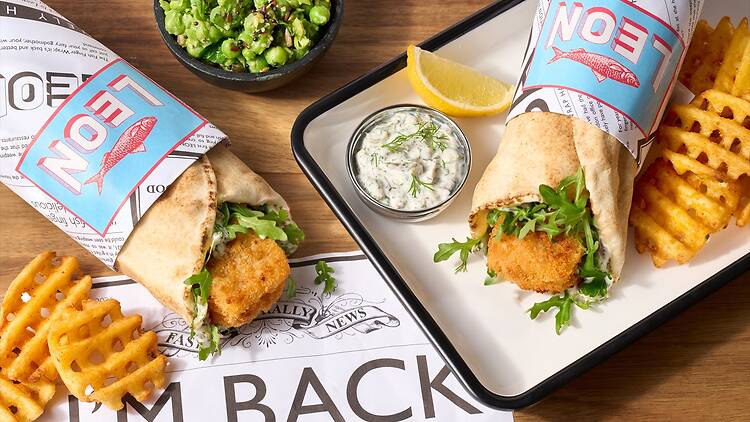
The concept focused on reviving a customer favourite: the Fish Finger Wrap, first launched at LEON’s opening. (Gold Flamingo)
Visitors could expect a menu inspired by classic chip shop culture, including:
Fish Finger Wrap made with sustainably sourced pollock.
waffle fries
crushed peas
a choice of beer or a cup of tea
The first 100 wraps each day were given away for free, along with pin badges and scratchcards offering prizes, including free meals. (londondaily.news)
Instead of frying, the fish was baked, in line with LEON’s lighter approach to comfort food. (Verge Magazine)
This initiative was a temporary activation, not a move into permanent fish-and-chip shops.
Why revive a fish finger wrap in 2026?
The pop-up was part of LEON’s new “Icon Dishes” programme, which revives original menu items with improved sourcing and recipes. (The Grocer)
Founder John Vincent said he envisioned the Fish Finger Wrap in 2004, and customers kept requesting its return. (London TV)
The strategy aligns with an industry trend: brands are reviving early hits, combining them with modern expectations for sustainability and quality.
For LEON, the pop-up allowed the company to do three things at once:
celebrate one of its original menu items
create a culturally recognisable British food moment
Reconnect the brand with its original audience.
British nostalgia as a brand strategy
Fish and chips remain a defining meal across Britain and London. (Condé Nast Traveler)
By referencing the traditional “chippy”, LEON drew on nostalgia and reframed it through its philosophy.
Instead of batter-fried cod and newspaper wrapping, the LEON version emphasised:
sustainable fish sourcing
lighter cooking methods
fast-casual presentation
The result was a concept that felt both familiar and contemporary.
This type of brand reinterpretation is increasingly common in the hospitality industry. Rather than abandoning heritage, successful brands are modernising familiar dishes and formats.
A brand reconnecting with its roots
The timing of the activation is also notable.
After restructuring and leadership changes, LEON aims to reconnect with the menu ideas that built the brand. (timeout.com)
The return of the Fish Finger Wrap and the Icon Dishes series signal LEON’s wider strategy: revive what customers love and improve it.
The LEON Chippy acts less as a new business model and more as a cultural marketing moment.
The bigger lesson for hospitality brands
So, has LEON diversified into fish-and-chip shops?
No. There is currently no evidence that LEON is launching a permanent chippy concept or expanding into traditional fish-and-chip restaurants.
LEON Chippy shows a 2026 trend: hospitality and retail brands use pop-ups to test ideas and create buzz.
Temporary concepts and nostalgic menu revivals allow brands to:
generate attention without operational risk
test ideas quickly
Reconnect with long-time customers. Create shareable experiences.
In a crowded market, limited-time pop-ups can be as effective as launching a new concept.
Conclusion
Final thoughts
The LEON Chippy was open for only two days, 14 and 15 March 2026, but the idea behind it could last far longer. Rather than expanding into fish-and-chip shops, LEON is experimenting with how British food heritage can be reinterpreted through a modern fast-food brand. For marketers and hospitality operators, the main insight is the power of drawing on brand heritage to create impactful, low-risk innovation. Innovation in hospitality today often means reimagining well-loved ideas to resonate with current consumers. Sometimes, innovation is simply about reviving what people love.